

Demand-Pull Inflation: When Too Much Money Chases Too Few Goods
Understand how excess demand outpaces supply, driving up prices across the Indian economy. We’ll break down the mechanism and real examples you’ll recognize.
Read ArticleExplore how demand-pull and cost-push inflation reshape the Indian economy, supply chains, and monetary policy
From supply chain disruptions to demand-side pressures, this collection of educational resources breaks down the complex forces driving inflation in India. Learn how these economic mechanisms work, their real-world impacts, and what policy responses mean for you.

Detailed guides to understanding the economic forces shaping India’s inflation landscape
Understand how excess demand outpaces supply, driving up prices across the Indian economy. We’ll break down the mechanism and real examples you’ll recognize.
Read Article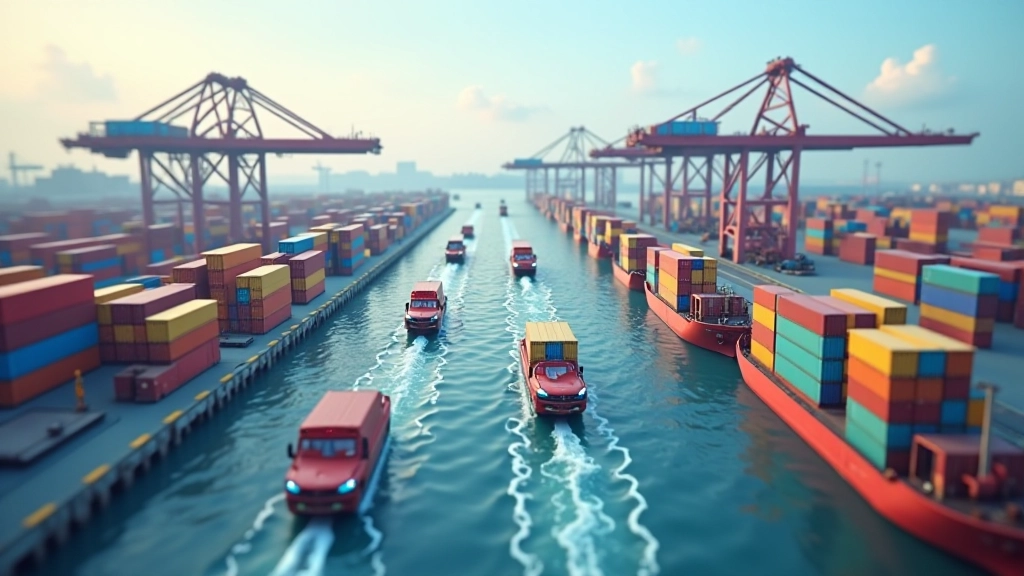
Learn why inflation happens when production costs rise, independent of demand. Covers wage pressures, raw material costs, and their cascade effects.
Read Article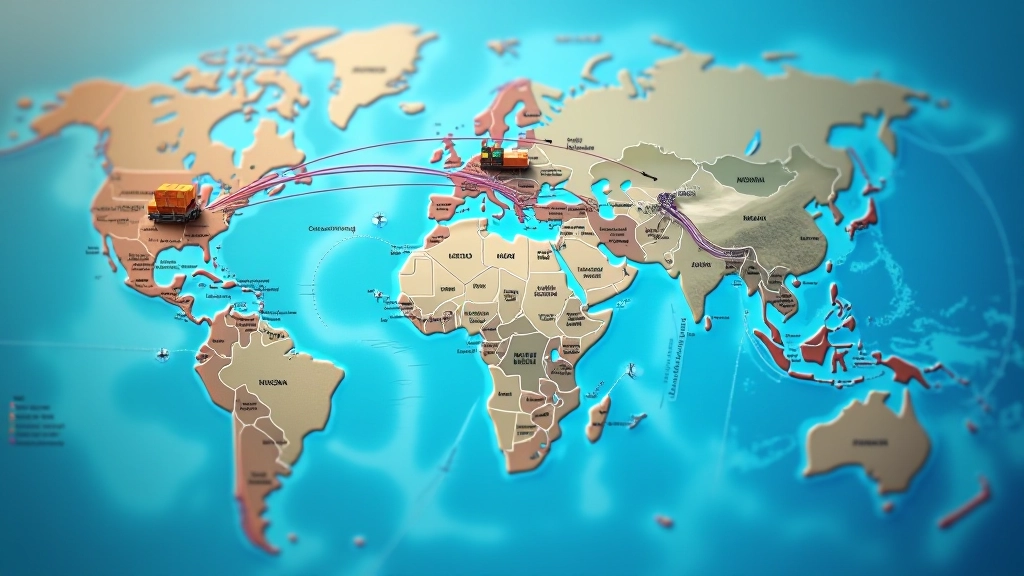
Discover how bottlenecks in global and domestic supply chains amplify inflation. Real case studies from recent disruptions affecting India’s economy.
Read Article
Explore the RBI’s toolkit for combating inflation. Interest rate decisions, liquidity management, and what these policy moves mean for savers and borrowers.
Read ArticleA structured approach to identifying and understanding inflation drivers
Is inflation coming from excess demand (demand-pull) or rising production costs (cost-push)? Understanding the source is crucial for proper analysis and policy response.
Examine bottlenecks in production, distribution, and trade. Supply chain disruptions can trigger or amplify inflation regardless of underlying demand or cost pressures.
Look at consumer spending, credit availability, and disposable incomes. Strong demand can pull prices up even when supply is adequate, creating demand-pull inflation.
Track RBI decisions on interest rates, money supply, and regulatory measures. Central bank actions shape inflation expectations and actual price movements over time.
It’s fundamentally about too much money chasing too few goods. When aggregate demand exceeds aggregate supply at full employment, prices rise. This typically happens during economic booms when consumers and businesses are spending freely.
Rising wages, increased raw material costs, higher energy prices, or increased taxes can push inflation even when demand is weak. Businesses pass these higher costs to consumers through price increases.
Disruptions don’t just reduce supply — they create bottlenecks that trigger cost increases (shipping costs surge) and demand spillovers (consumers rush to buy). Supply chain issues can simultaneously fuel both demand-pull and cost-push inflation.
When the RBI signals commitment to price stability, people and businesses expect lower future inflation. This restrains their price-setting behavior today, making inflation easier to control. Credibility is everything in monetary policy.
International oil prices, global shipping costs, and worldwide supply chains mean India can’t insulate itself from global inflation. Understanding international factors is essential for analyzing domestic inflation trends.