
Demand-Pull Inflation: When Too Much Money Chases Too Few Goods
Understand how excess demand outpaces supply, driving up prices across the Indian economy and what this means for consumers and businesses.
Read MoreHow bottlenecks in global and domestic supply chains amplify inflation across India’s economy
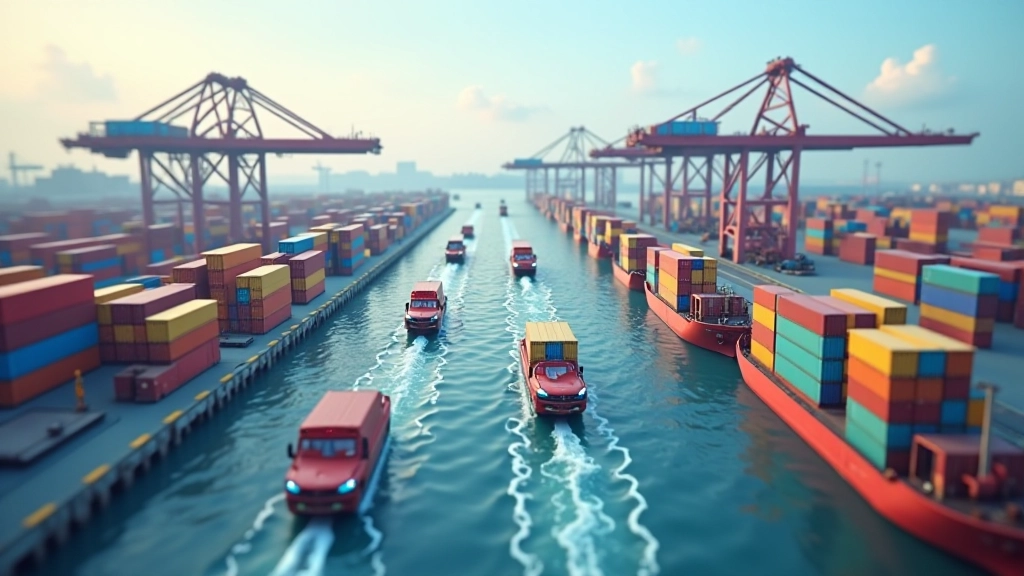
When a container ship gets stuck at port or a factory shuts down unexpectedly, the impact isn’t confined to that one location. It’s like dropping a stone into still water — the ripples spread outward, affecting prices in shops thousands of kilometers away. That’s exactly what’s been happening to India’s economy over the past few years.
Supply chain disruptions don’t just delay deliveries. They fundamentally reshape how much things cost. When supplies tighten, prices climb. And once those price increases take hold, they’re remarkably sticky. Businesses pass higher costs to consumers, workers demand higher wages to keep up, and suddenly you’ve got inflation that feeds on itself.
The real challenge? Supply chain issues don’t follow neat economic theories. They’re messy, unpredictable, and deeply interconnected. A shortage in semiconductors affects automobile prices. Rising shipping costs drive up grocery bills. Port congestion impacts everything from electronics to textiles. Understanding these connections is crucial for grasping why inflation in India has proven so stubborn.
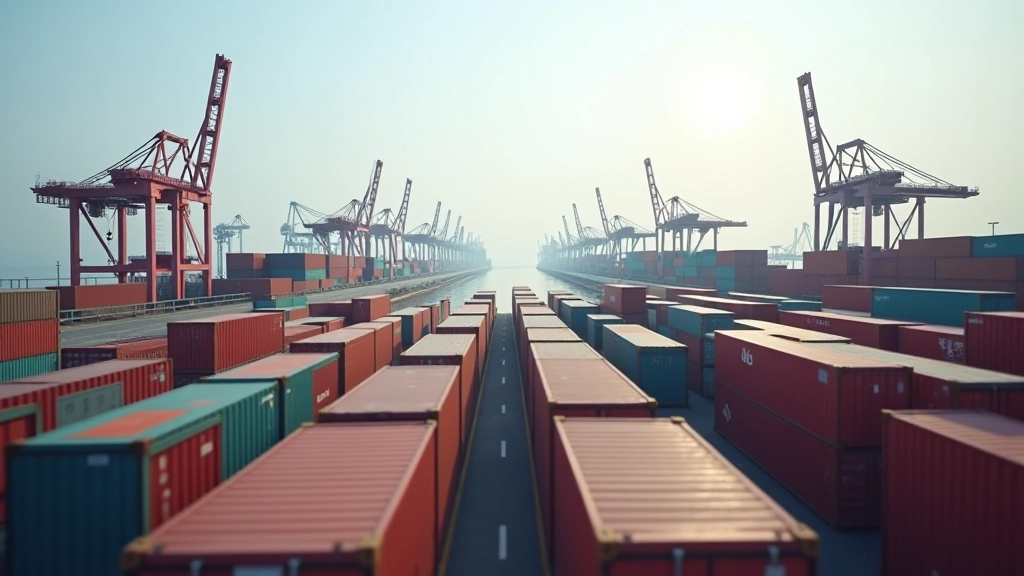
Several factors have converged to create perfect storm conditions for supply chain chaos. Post-pandemic manufacturing couldn’t keep pace with demand surges. Semiconductor shortages rippled through automotive and electronics industries. Shipping container imbalances made logistics more expensive. And then geopolitical tensions disrupted established trade routes.
For India specifically, the challenges are acute. Many supply chains still depend on imports from countries facing their own disruptions. Raw material costs surged globally. Shipping rates to and from Indian ports skyrocketed. Energy prices spiked, affecting manufacturing costs across sectors. It’s not one problem — it’s dozens of problems happening simultaneously.

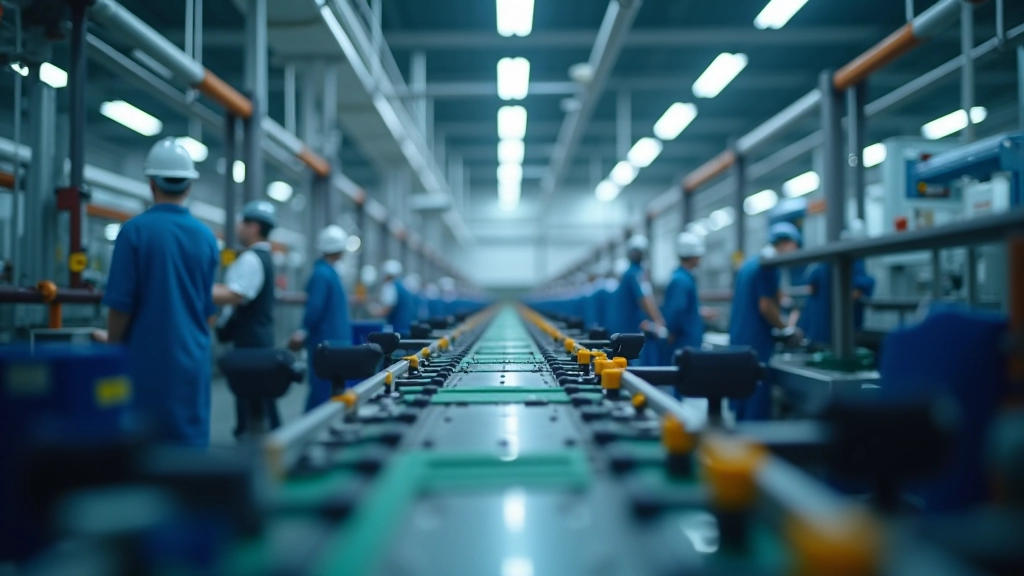
The connection between supply chain disruptions and inflation isn’t mysterious — it’s direct economics. When supplies become scarcer, prices rise. When costs increase for producers, they pass those costs forward. And when this happens across multiple sectors simultaneously, you get broad-based inflation that’s hard to control.
India’s inflation jumped significantly during peak supply chain chaos. Food prices surged because agricultural inputs became expensive and transport costs soared. Manufacturing-based inflation climbed as factories struggled to source components. Even services felt the pressure as businesses passed through rising costs.
What makes this particularly tricky for policymakers? You can’t simply reduce demand to fight supply-driven inflation. The RBI can raise interest rates, but that won’t fix a shipping bottleneck or restore semiconductor supplies. It’s a situation where traditional monetary policy tools are less effective. The real solution requires supply chains to normalize — something largely beyond any central bank’s control.
Different sectors experienced different intensities of disruption. Here’s where the pain was most acute:
Semiconductor shortages forced production cuts. Prices increased 8-12% over 18 months. Waiting periods stretched to 6-12 months for popular models.
Component costs surged 25-35%. Consumer electronics prices climbed 10-15%. Import-dependent manufacturers squeezed margins or raised prices.
Raw material costs jumped 40-50%. Shipping expenses tripled temporarily. Prices increased across the board, from clothing to home textiles.
Transportation costs soared 60-80%. Cold chain disruptions led to spoilage. Fertilizer and pesticide shortages increased farming costs.
Active pharmaceutical ingredient (API) sourcing became difficult. Shipping costs for temperature-controlled cargo doubled. Drug prices rose 8-12%.
Steel and cement prices climbed 30-45%. Shipping containers for exports became scarce. Project costs increased significantly.
When Taiwan faced chip production slowdowns in 2021-2022, it rippled directly to India’s automotive sector. Maruti Suzuki and other manufacturers couldn’t produce vehicles because they couldn’t get the chips needed for engine management systems and electronic controls. This wasn’t a minor supply issue — it disrupted the entire supply of affordable vehicles. Prices climbed. People faced months-long waiting lists. The cost to consumers wasn’t just higher vehicle prices; it was also the inconvenience and opportunity cost of waiting.


India’s farmers depend heavily on imported fertilizers and pesticides. When global fertilizer production faced disruptions and shipping costs tripled, the impact cascaded to Indian farming. Fertilizer prices increased 60-70% within months. Farmers faced choices: spend more per acre or reduce fertilizer use. Either way, food production costs climbed. These higher farming costs eventually show up in retail food prices. A 60% jump in fertilizer costs doesn’t translate 1:1 to retail prices, but it’s a significant driver. This is cost-push inflation in action — driven by input costs, not by demand.
Shipping routes disrupted, ports congested, factories shut down, or raw materials become scarce. Available supply shrinks relative to demand.
Shipping becomes expensive, alternative suppliers charge premiums, rush production costs more. Every link in the supply chain faces higher expenses.
Manufacturers and retailers pass costs forward. Wholesale prices increase first, then retail prices follow. This is the visible inflation consumers notice.
Workers see prices rising and demand higher wages. Employers grant raises to retain staff. This creates a wage-price spiral that can become self-perpetuating.
Consumers and businesses expect continued inflation. They adjust pricing behavior accordingly. Inflation becomes embedded in expectations, making it harder to reverse.
Even if supply chains normalize, prices rarely return to previous levels. The price increases are sticky. New, higher price levels persist.
Here’s the fundamental challenge: when inflation is driven by supply constraints, traditional monetary policy has limited effectiveness. The RBI can raise interest rates, but higher rates don’t fix broken supply chains. They don’t clear port backlogs or increase semiconductor production.
That said, policymakers aren’t helpless. The RBI must balance its response carefully. Raising rates too aggressively could slow demand and growth unnecessarily. Raising too little could allow inflation expectations to become unanchored. The goal is to prevent temporary supply-driven inflation from becoming permanent wage-price spirals.
On the supply side, governments can act more directly. Reducing trade barriers helps. Investing in port infrastructure and logistics improves efficiency. Supporting domestic production of critical goods reduces import dependence. Easing regulations around production helps manufacturers respond faster to shortages. These aren’t traditional monetary tools, but they’re arguably more effective when the problem is fundamentally about supply.

Supply chain disruptions drive cost-push inflation. When supplies tighten, costs rise across the economy. This isn’t demand-driven inflation — it’s constraint-driven.
Price increases are sticky and persistent. Even when supply chains normalize, prices don’t fall back. Higher price levels persist, representing a permanent change in the price level.
Multiple sectors face simultaneous shocks. When disruptions are broad-based across automobiles, electronics, food, textiles, and more, the inflation impact is substantial and difficult to contain.
Monetary policy alone is insufficient. Central banks can’t fix supply problems with interest rates. Managing inflation requires addressing underlying supply constraints and preventing expectations from becoming unanchored.
Supply chain resilience matters. Building redundancy, diversifying suppliers, and investing in domestic production reduce vulnerability to future disruptions and inflation shocks.
This article provides educational information about supply chain disruptions and their relationship to inflation in India’s economy. The content is intended to help readers understand economic concepts and mechanisms, not to provide financial advice or economic forecasting. Economic situations are complex and influenced by numerous factors that vary over time. Circumstances differ by region, sector, and individual situation. For specific economic guidance or investment decisions, consult qualified economists, financial advisors, or official sources such as the Reserve Bank of India.