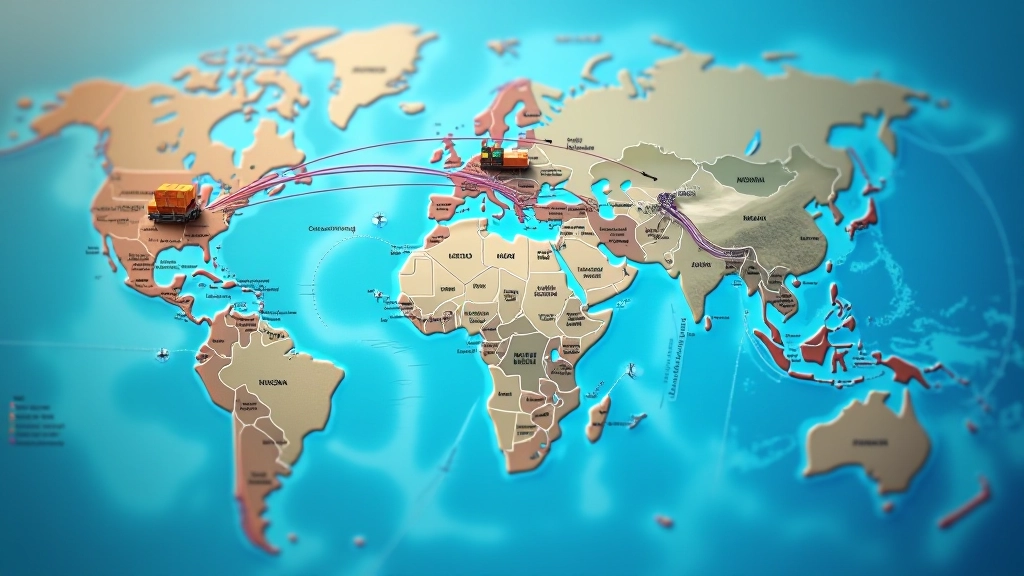
Cost-Push Inflation: How Rising Production Costs Hit Your Wallet
When factories pay more for raw materials and labor, prices climb across the economy — regardless of demand. Learn how this inflation works and why it matters to your everyday expenses.
What Exactly Is Cost-Push Inflation?
Cost-push inflation happens when production expenses rise, forcing businesses to raise prices just to maintain their profit margins. It’s different from demand-pull inflation because it’s not about too much money chasing too few goods — it’s about the actual cost of making things going up.
Think of it this way: a textile manufacturer buys cotton at higher prices, pays workers more, and faces increased transportation costs. They can’t absorb all these costs themselves, so they pass them to retailers. Retailers pass them to you. You’ll notice this at the checkout counter before economists even have a name for what’s happening.
The Cost-Push Chain
Raw materials get expensive Manufacturers raise production costs Factory prices go up Retailers buy at higher wholesale prices Consumer prices climb Your wallet feels lighter.
The Main Drivers of Cost-Push Inflation
Several factors push production costs upward. Understanding them helps explain why your groceries, clothes, and services become more expensive seemingly overnight.
Raw Material Prices
Oil, metals, agricultural products, and chemicals form the foundation of most goods. When crude oil prices jump 30%, shipping costs rise. When iron ore gets scarce, steel production becomes expensive. These shocks ripple through every supply chain.
Labor Cost Increases
Workers demand higher wages due to living cost pressures. Employers face tighter labor markets. When wage costs climb 8-10% annually, manufacturers must either reduce profit margins or raise prices. Most choose the latter.
Supply Chain Disruptions
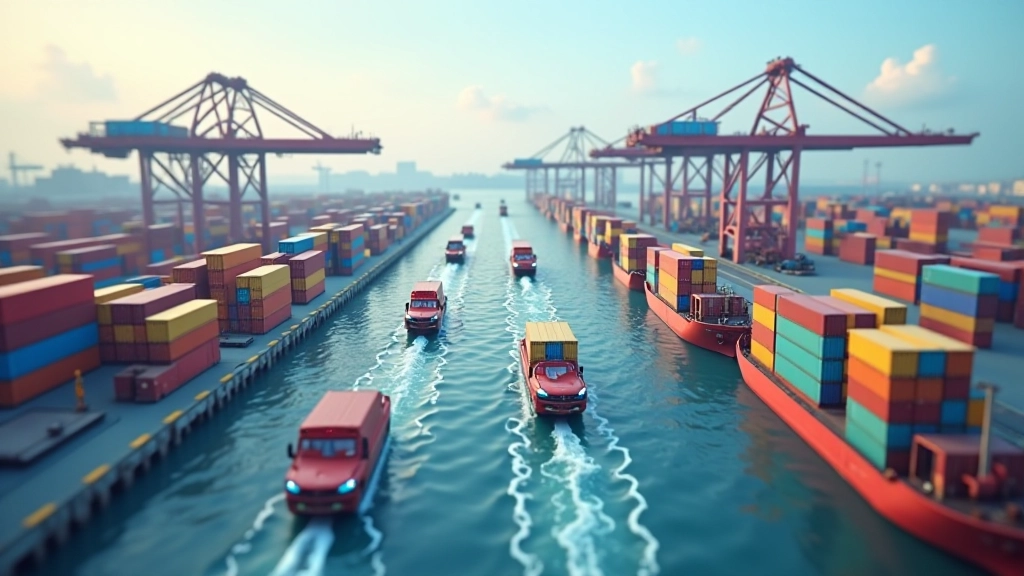
Port closures, shipping delays, and logistics bottlenecks increase transportation costs dramatically. A container that used to cost $2,000 to ship might cost $8,000 during crises. These costs don’t disappear — they get passed along.
Energy Costs
Electricity and fuel power factories. When energy prices surge, manufacturing becomes expensive. An electronics plant running 24/7 can see monthly energy bills jump from 50 lakhs to 75 lakhs within months.

How Cost-Push Inflation Hits Your Daily Life
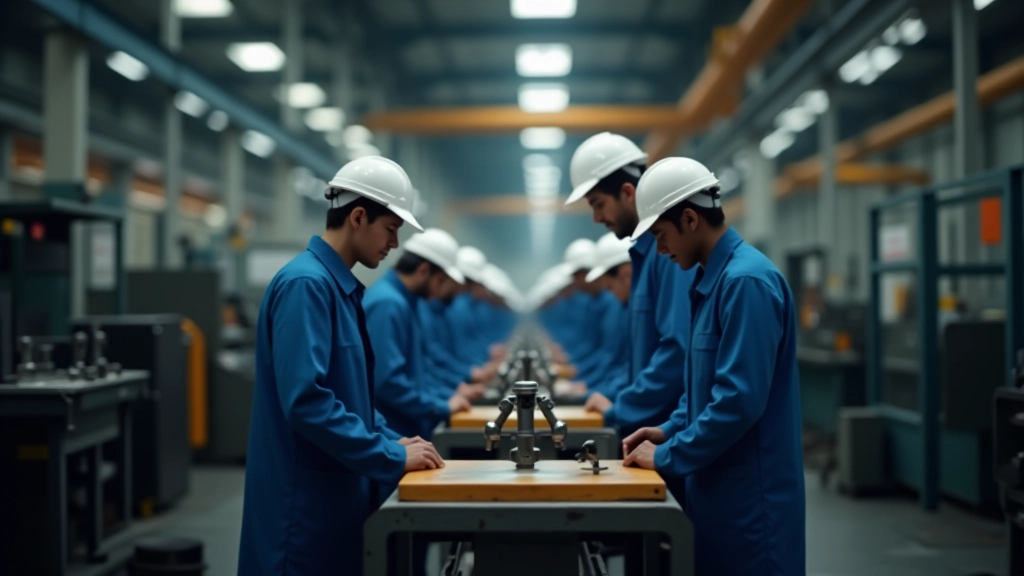
You don’t need economists to explain this. You experience it directly. Groceries cost more. Rent increases aren’t just from demand — landlords face higher maintenance costs and property taxes. Restaurant prices jump because they’re paying more for ingredients, labor, and utilities.
The challenging part? This inflation can’t be solved by simply reducing demand. You can’t ask people to buy less food or wear fewer clothes. Central banks face a dilemma: raising interest rates might slow demand, but it doesn’t fix the underlying cost problem. That’s why cost-push inflation is particularly stubborn.
“Cost-push inflation happens from the supply side. No amount of reduced consumer spending fixes a global shipping crisis or oil shortage.”
— Economic principle
The Cascade Effect: How Costs Multiply
Primary Cost Shock
A major input cost rises — oil prices spike, shipping rates double, or labor agreements push wages up 12%. This isn’t gradual. It’s sudden and significant.
Production Adjustment
Manufacturers recalculate costs. They’ve got three choices: absorb losses, cut quality, or raise prices. Most choose option three. Prices move within weeks, not months.
Wholesale Price Increase
Retailers face higher wholesale prices from manufacturers. They can’t maintain profit margins without passing costs forward. Wholesale price inflation appears in data first.
Consumer Price Rise
Finally, your prices at checkout go up. This is the last stage but the most visible. By the time you notice, the cost has already traveled through the entire supply chain.
Wage Pressure Feedback
Workers see prices rising and demand higher wages to maintain purchasing power. This creates a second wave of cost pressure. The cycle can repeat if unchecked.
Cost-Push vs. Demand-Pull: What’s the Difference?
These are two completely different inflation stories, though they’re often confused. Understanding the difference matters because the solutions are completely different.
Demand-Pull Inflation
Too much money chases too few goods. Consumer demand is strong. Buyers compete for limited supplies, bidding prices up. This happens when the economy is booming and unemployment is low.
Cost-Push Inflation
Production costs rise independent of demand. Supply constraints, wage increases, or energy shocks push prices up. Demand might be weak, but prices still climb because companies need to maintain margins.
Here’s the practical difference: With demand-pull, raising interest rates works well. Higher rates cool demand, and prices stabilize. With cost-push, higher rates might hurt the economy without fixing the supply problem. You’ll get slower growth AND higher prices simultaneously — that’s stagflation, and it’s nobody’s favorite economic situation.

How Central Banks Respond to Cost-Push Inflation
The RBI (Reserve Bank of India) can’t easily solve cost-push inflation with traditional tools. They can’t make oil cheaper or fix global supply chains. But they do have options, and they’re increasingly important to understand.
Interest Rate Management
The RBI might raise rates moderately to prevent wage-price spirals. But aggressive rate hikes can hurt growth without solving the cost problem. It’s a balancing act that requires careful judgment.
Supply-Side Support
Governments can reduce import tariffs to lower input costs. They can invest in infrastructure to reduce logistics costs. These address the root cause rather than demand.
Forward Guidance
Central banks communicate that inflation is temporary. This prevents inflation expectations from rising permanently. Workers won’t demand massive wage hikes if they believe prices will stabilize.
Strategic Reserves
Releasing oil from strategic reserves can lower energy costs. Similarly, releasing food grain reserves can stabilize food prices. These are short-term measures but can prevent panic and wage spirals.
Key Takeaways: Understanding Cost-Push Inflation
It’s about production, not demand. Cost-push inflation happens when factories pay more for inputs — regardless of whether customers want to buy more goods.
Multiple sources, one outcome. Raw materials, labor, energy, and logistics all push costs upward. You don’t need all four to experience inflation.
It cascades through supply chains. The shock starts with manufacturers, travels through wholesalers, and finally reaches your wallet at the retail counter.
Central banks face difficult trade-offs. They can’t solve it purely through demand management. Supply-side solutions and international coordination matter as much as interest rate decisions.
It’s a real economic challenge. Unlike demand-pull inflation, cost-push can occur even during weak economic growth, creating the worst of both worlds.
The next time you notice prices climbing, you’ll know there’s likely a cost story behind it. Maybe shipping costs spiked. Maybe oil prices surged. Maybe labor costs rose. These aren’t random events — they’re predictable consequences of cost pressures moving through the economy. Understanding cost-push inflation helps you see the mechanics beneath the headline numbers.
Disclaimer
This article is educational and informational only. It explains economic concepts and inflation mechanisms for learning purposes. It’s not financial advice, investment guidance, or economic policy recommendation. Economic situations vary by region and change rapidly. For specific financial decisions, consult qualified financial advisors or economists. The RBI and government agencies issue official statements on monetary policy and inflation management — those sources are authoritative for policy decisions.
Related Articles